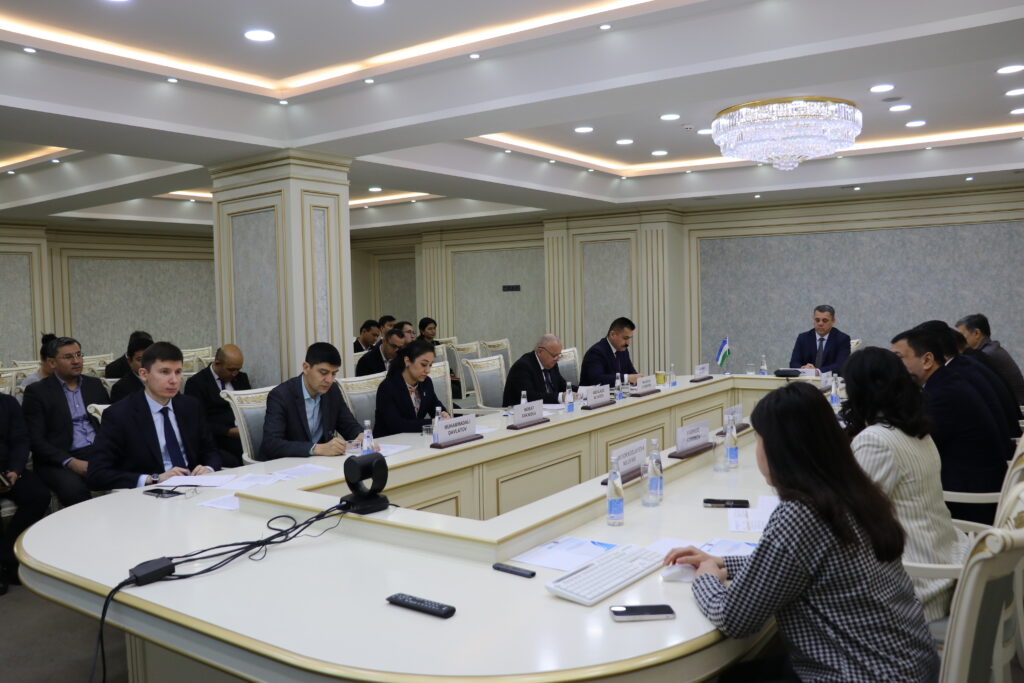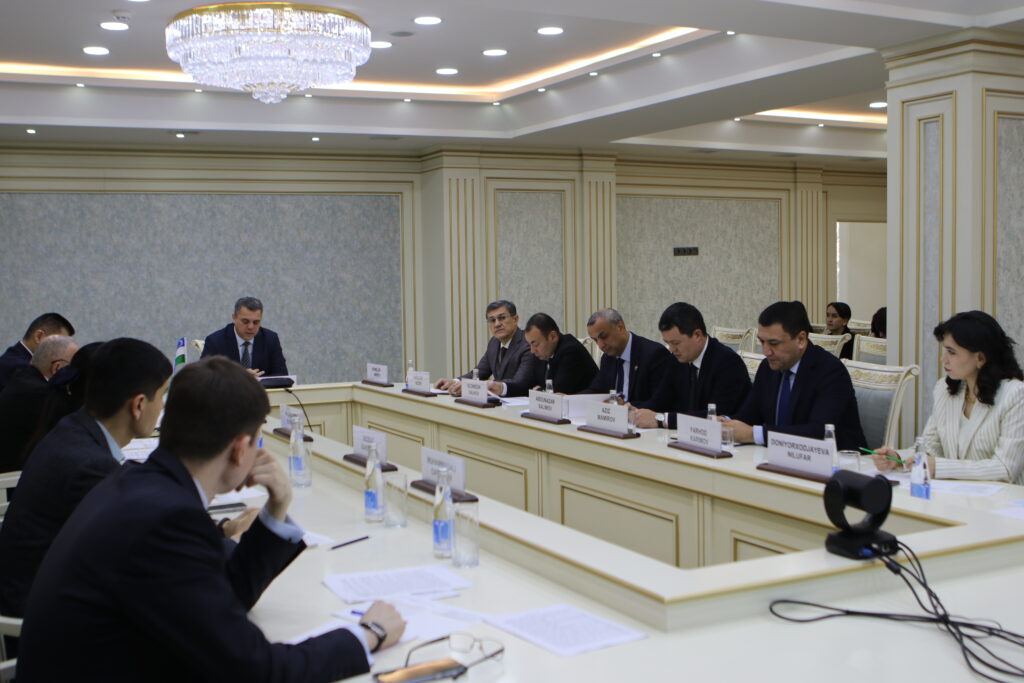
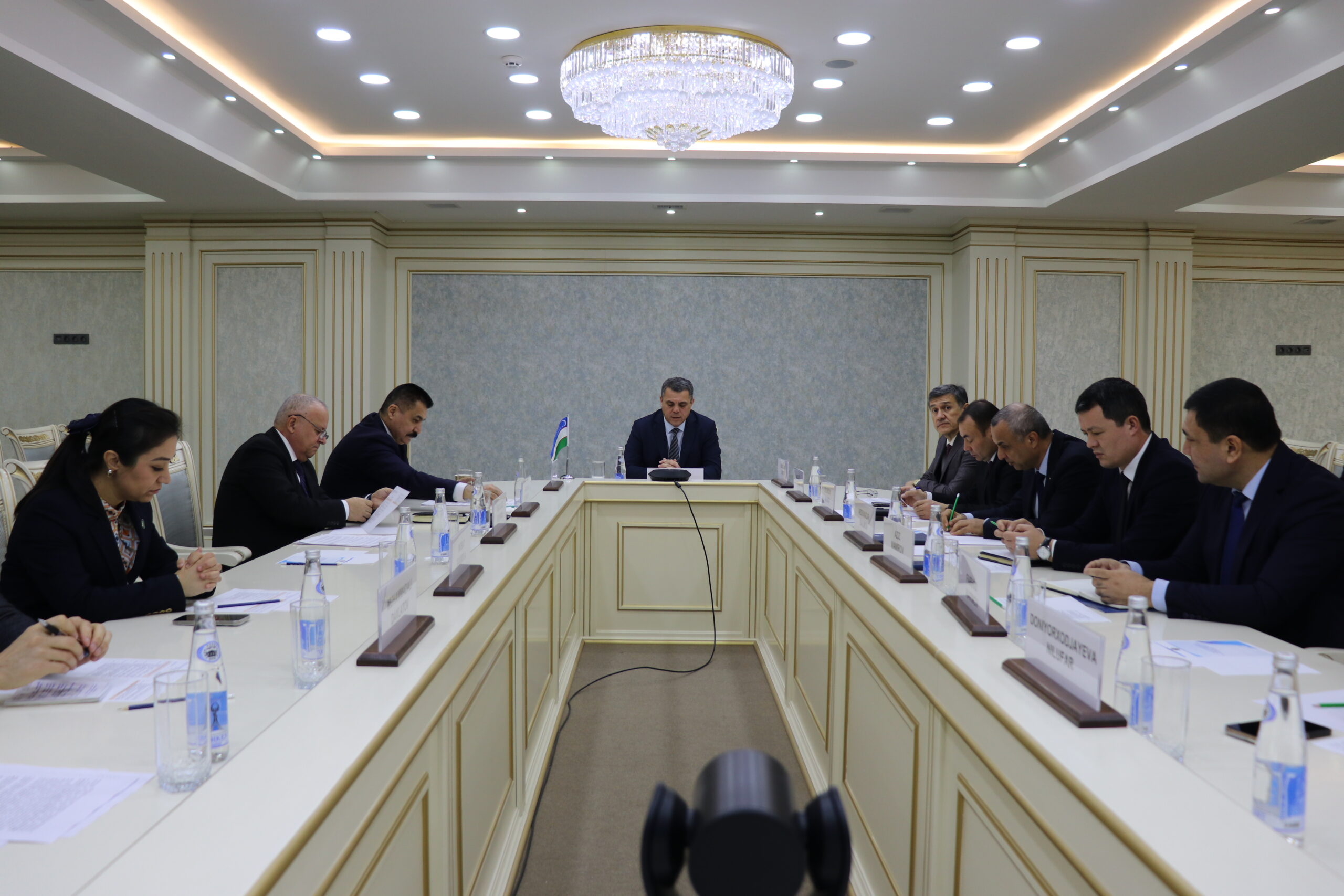
On January 13, 2026, ILLP held a round table on the topic “Mahalla-2026: comprehensive development, quality of services and citizen participation (based on the initiatives of the President’s Address)”.
The event was attended by representatives of ministries and agencies responsible for ensuring the comprehensive development of mahallas, improving the quality of public services and expanding citizen participation at the local level.
The main purpose of the event was to discuss practical mechanisms for implementing the initiatives announced in the Address of the President of the Republic of Uzbekistan to the Oliy Majlis and the people of Uzbekistan on 26 December 2025, as well as to develop specific recommendations for the comprehensive development of mahallas, improving the quality of public services at the local level and strengthening the role of the “mahalla seven” in solving pressing problems in mahallas.
During the round table, it was noted that the key message outlined in the President’s Address, “When there is peace and harmony in the mahalla, our society will be peaceful and united. If the mahalla develops, the entire country will prosper” has already become a political and administrative guideline for the development of society.
It was emphasised that the development of mahallas should be expressed not in formal indicators, but in real improvements in the quality of public services, the coordination of all structures involved, and the timeliness and clarity of administrative procedures for the population.
It was noted that the use of a project-based approach in the development of mahallas allows for more accurate prioritisation, coordination of infrastructure and socio-economic tasks, and ensures transparency and accountability in implementation.
Particular attention was paid to coordinating the work of the “mahalla seven” on mahalla development, targeted support for residents, and improving the effectiveness of local decisions.
The role of mahallas in creating opportunities for young people and involving them in education, employment, and social initiatives was also discussed. It was noted that youth leaders who are members of the ‘mahalla seven’ should focus on identifying the needs of young people in the area, promoting their employment, supporting initiatives and creating a sustainable environment for self-realisation.
During the event, a draft regulatory act was presented on further improving the efficiency of public services in mahallas and the gradual transition to their full digitalisation, which was developed by the ILLP with the involvement of members of the Working Group on the Organisation of Analytical and Research Structures in the Field of Public Construction and Public Administration, experts from the Association of Mahallas, the Ministry of Digital Technologies Development, the Academy of Public Policy and Management, and Karshi State University, based on a study of 50 mahallas in the Kashkadarya, Syrdarya, Namangan regions and the city of Tashkent, in accordance with the instructions of the Coordination Council for Strategic Planning and Development under the President of the Republic of Uzbekistan.
The event resulted in a number of proposals and recommendations for the implementation of initiatives in the field of mahalla development put forward by the Head of State in his Address and serving as an action programme for the transformation of mahallas from an institution of self-government into a real foundation for the economic prosperity of New Uzbekistan.